.jpg)

A Wedding Gallery Is a Whole Story
I actually love shooting weddings, and I do not fully understand the bad rap they get in the industry. Everyone is dressed to the nines. People are smiling. Families are gathered. There are real moments everywhere. The whole day is basically a photographer’s buffet, except the timeline is aggressive and somebody’s uncle will eventually stand in the aisle with an iPad like he is filming a moon landing.
A wedding gives you beauty, pressure, emotion, chaos, and a dance floor, which is honestly not a bad office. The job is to prepare for the moments worth capturing and be there when they happen.
Editing the full gallery is where the second half of the work begins. A wedding is not one image. It is hundreds or thousands of frames across different rooms, different light, different emotions, and different levels of champagne-assisted enthusiasm. The gallery has to feel like one story.
Start With a Strong Base Look
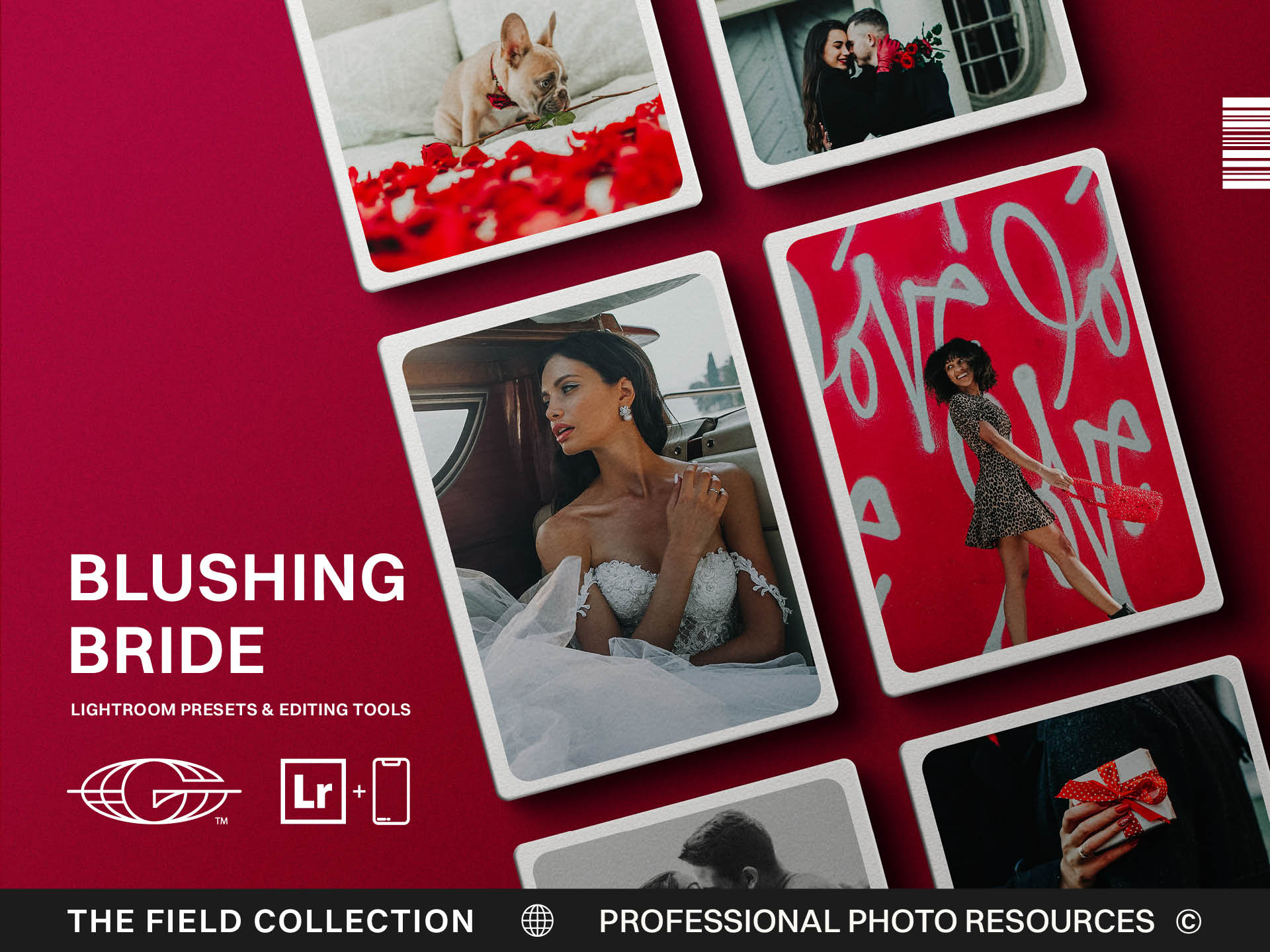
Consistency begins with a base look. This is where presets can be extremely useful for wedding photographers. A strong preset gives the gallery a shared visual foundation: skin tones, warmth, contrast, highlight treatment, greens, blacks, and overall mood.
The base look should match the style clients hired you for. A wedding day is not the place to reinvent yourself because you saw a new trend last week. The couple chose you because your work made them feel something and because they trusted that their own day would live inside that same visual world.
Apply the base look across the gallery, then adjust for the actual light. Consistency does not mean identical settings. It means the images feel connected, even as the day changes.
Group the Day by Lighting Conditions
A wedding day moves through many lighting environments. Getting ready may happen near windows in a hotel room. The ceremony may be outside at noon, inside a church, or under a tent with complicated opinions about color temperature. Portraits may happen at golden hour. The reception may mix candles, LEDs, DJ lights, and whatever strange purple wash the venue thought would create romance.
Editing works better when you group images by lighting conditions. Correct one set, sync carefully, then refine. Do not bounce randomly from bright outdoor portraits to dark reception frames to flat-lay details and back again. That kind of editing creates visual whiplash and makes consistency harder to judge.
Work in sections. Let each part of the day have its own adjustments while still belonging to the larger gallery.
Protect Skin Across the Gallery
Skin tones are the thread that can make or break wedding consistency. Dresses, flowers, venues, and lighting can all vary widely, but people remain central to the story. If skin changes dramatically from section to section, the gallery starts to feel unstable.
Watch oranges, reds, and warmth closely. Outdoor light may create one skin tone problem. Indoor tungsten may create another. Reception lighting may create five. A preset can get you close, but wedding skin needs constant human attention.
This is especially true in mixed light. You may need local corrections, selective desaturation, or white balance adjustments that protect faces without destroying the atmosphere of the room. The goal is not perfect neutrality. The goal is believable, flattering continuity.
Let Each Part of the Day Keep Its Mood
Consistency does not mean the reception should look like the ceremony. The getting-ready room, first look, family portraits, ceremony, couple portraits, dinner, speeches, and dance floor all carry different emotional temperatures.
A good gallery lets those moods shift while keeping the visual language connected. The ceremony may be clean and emotional. Portraits may be warm and romantic. The reception may have more contrast and movement. Dance floor images can hold color, flash, blur, and chaos in a way that would feel wrong in the details section.
Do not flatten the day into one mood. Let the wedding breathe. The consistency should come from your eye, not from forcing every part of the story into the same emotional setting.
Review in Sequence and in Grid
Wedding editing requires two kinds of review. First, review in sequence. Does the day flow? Does the color shift naturally as the light changes? Does the story make sense? Does the gallery feel like the couple moved through a real day rather than a set of disconnected scenes?
Then review in grid. This reveals inconsistencies quickly. One section may be too warm. Another may be too green. Some images may be heavier than the rest. A handful of reception frames may have wandered off into their own nightclub documentary.
The grid helps you see what individual images hide. Use it before delivery. Your clients may not name consistency technically, but they will feel whether the gallery holds together.
Do Not Experiment With Someone’s Biggest Day
Weddings are not the place to chase a brand-new editing identity. That does not mean you cannot grow or refine your style. It means the client trusted the style you showed them before the wedding, and your job is to deliver on that trust.
A full wedding gallery should feel cohesive, emotional, and reliable. It should preserve the joy of the day without letting the edit become unpredictable. Surprises can happen on the dance floor. They should not happen in the color grade.
Prepare well. Use a strong base. Adjust for each lighting condition. Protect skin. Let the day keep its moods. Review the whole gallery. And yes, if the dance floor is good and the bridesmaids are fun, enjoy the night. Just make sure the gallery still looks like the work they hired you to make.
Create Consistency Before You Start Batch Editing
The time to decide the visual direction is before you are exhausted and eight hundred images deep. Choose the base style early. Edit a small representative set first: getting ready, ceremony, portraits, details, reception, and dance floor. Once those sections feel connected, you can move through the larger gallery with more confidence.
This prevents the common problem where the first part of the gallery is edited carefully and the later sections drift because decision fatigue takes over. Weddings are long days, and wedding editing is a long process. A clear base protects you from making a hundred tiny choices that slowly pull the gallery apart.
Consistency is easier when you establish the north star before the work gets heavy.
Remember What the Couple Is Looking For
The couple is not grading your gallery like a color scientist. They are looking for memory, beauty, trust, and emotional continuity. They want to recognize the people they love. They want the day to feel like their day. They want the work to match the confidence they had when they hired you.
That does not lower the standard. It clarifies it. Technical consistency serves emotional trust. When the edit holds together, the couple does not have to think about the editing. They can simply move through the day again.
That is the quiet success of a strong wedding gallery. The style is present, but the memory is louder.
Deliver a Gallery That Feels Calm to Receive
A consistent wedding gallery is also a calmer gallery to receive. The couple should not feel jolted from one editing style to another while moving through the day. They should be able to settle into the story, recognize the people they love, and trust the visual world you created for them.
That calm does not mean boring. It means the edit is not creating unnecessary friction. The day already held enough emotion: nerves, vows, family, laughter, speeches, dancing, and probably at least one timeline adjustment whispered near a floral arrangement. The gallery should gather that energy into something cohesive.
When the edit is consistent, the couple can focus on the memory instead of the processing. That is part of serving them well.
Consistency Is Part of the Experience
For wedding clients, consistency is not an abstract editing principle. It is part of the experience of receiving the gallery. They open the images hoping to relive a day that moved too fast while it was happening. A consistent edit helps the memories feel held together. It lets the morning, ceremony, portraits, reception, and dance floor belong to the same story, even when the light and emotion shift across the day.
The Edit Should Disappear Into the Memory
When a wedding gallery is working, the edit almost disappears into the memory. The colors feel consistent, the skin feels honest, and the story moves without interruption. That is not a lack of style. It is style doing its job well enough that the couple can stop thinking about photography and simply remember the day.