

Sometimes the hardest part of getting help is knowing where to start.
Creative businesses can feel messy in several different ways at once. Your brand may be unclear. Your pricing may feel weak. Your content may be inconsistent. Your offers may be hard to explain. Your schedule may be crowded. Your income may be unpredictable. Your website may not be doing much useful work. Your ideas may be spread across too many directions.
When everything feels connected, every problem can start to look urgent.
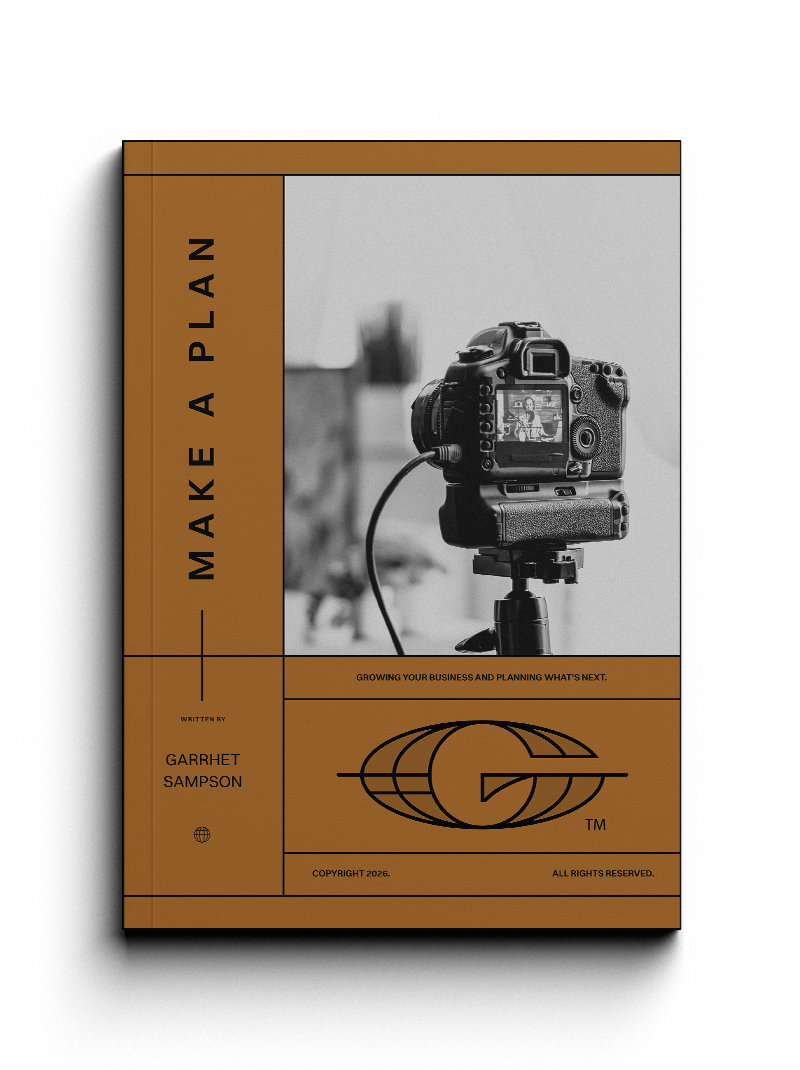
The Field Guides were built to be practical starting points for specific creative business problems. They are not meant to be giant textbooks or abstract inspiration. They are focused guides for creators who need language, structure, and next steps around one part of the business behind the work.
The best guide to read first depends on what kind of stuck you are experiencing.
If Your Business Feels Scattered
Start with Business Strategy Reboot or What’s Next Blueprint.
This is the right starting point when you have too many ideas, too many half-built projects, or too many directions competing for your attention. You may not need another new idea. You may need a clearer way to sort what matters, what is working, what needs to be finished, and what should be parked for another season.
A scattered business usually needs a stronger center. These guides help you step back from the noise and look at the foundations: what you are building, who it is for, what kind of life it needs to support, and what next step deserves your actual attention.
If People Do Not Understand What You Do
Start with Why No One Knows You or Stand Out.
This is the starting point for creators who are doing good work but feel overlooked, misunderstood, or too easy to blend in with everyone else. The issue may not be effort. It may be clarity, positioning, visibility, or message.
These guides help you look at the way your work is being understood from the outside. They are especially useful if your website, bio, offers, or content are technically present but still not making the value of your work clear enough.
If Your Brand Message Feels Generic
Start with Brand Positioning, Build Your Brand, or Define Your Dream Client.
This is the path for creators who know the work needs a sharper identity. Maybe your language sounds too broad. Maybe your audience is unclear. Maybe your visual brand looks professional but does not feel distinct. Maybe you are trying to speak to everyone because narrowing the message feels risky.
Brand clarity helps the rest of the business work better. Your content becomes easier to write. Your offers become easier to explain. Your website becomes easier to structure. Your audience has a better chance of remembering why the work matters.
If Your Marketing Feels Inconsistent
Start with Attention as Momentum or Getting More From Your Website.
This is the right path if you know you need more visibility but do not want to build your business on constant performance. Marketing should help your best work become easier to discover, understand, and trust. It should not turn your creative life into an endless content treadmill.
These guides help creators think more clearly about attention, content, websites, search, and the systems that make visibility more sustainable over time.
If Pricing and Sales Feel Uncomfortable
Start with Value Based Pricing or Landing Long Term Clients.
This is the path for creators who are tired of guessing, undercharging, overexplaining, or feeling anxious every time money enters the conversation.
Pricing gets easier when the value, scope, audience, and outcome are clearer. Sales gets easier when the offer is built around a real problem and communicated with respect. These guides are meant to help creators build confidence through structure, not pressure.
If the Business Behind the Work Feels Heavy
Start with Control Your Schedule or Stable Income Always.
This is the path for creators who need better systems around time, delivery, admin, income, and capacity. The problem may not be that you lack motivation. The problem may be that too much of the business depends on you remembering, improvising, and pushing through each week.
Creative work needs room. Systems help create that room. These guides are built for creators who want to spend more time making and less time buried in the chaos around making.
If You Are Not Sure Where to Begin
Choose the guide that matches the pressure you feel most often.
If you wake up thinking about scattered ideas, start with strategy. If you keep rewriting your bio, start with brand clarity. If you avoid posting because the message feels unclear, start with visibility and positioning. If you feel nervous quoting prices, start with pricing. If your week keeps disappearing into admin, start with systems.
The point is not to fix the entire business in one sitting.
The point is to put one important piece in order.
Use the Guides as Working Tools
A Field Guide is most useful when it becomes part of your work, not just something you finish and set aside.
Read with a notebook open. Mark the phrases that give language to something you have felt but not named. Pause at the questions. Apply one concept to your website, offer, workflow, pricing, or content before rushing into the next resource.
Direction rarely arrives all at once. It often comes through one clearer decision, then another.
Start with the problem that is creating the most drag. Give it your attention. Let the guide help you name it, understand it, and take the next practical step.
Pair the Guide With One Practical Output
Whichever guide you choose, give yourself one practical output before moving on.
If you read about brand positioning, rewrite one section of your homepage. If you read about pricing, clarify one offer or proposal section. If you read about systems, build one checklist you will use this week. If you read about visibility, create one content idea that points back to the work you want to be known for.
This keeps learning from becoming another form of procrastination.
The goal is not to consume every resource in the right order. The goal is to let each resource create one meaningful improvement in the business. Small applied changes are what make the guides useful beyond the page.
That is how creative business education becomes useful: not as more information, but as structure you can actually build with.