

Where to Start if You Want Stronger Visuals and a More Consistent Editing Style
Before buying another preset, spend time understanding your own taste.
That sounds less exciting than a new editing tool, but it will save you from a lot of wandering. Presets and LUTs can help you move faster. They can create consistency. They can show you what is possible. But if you do not know what kind of visual world you are trying to build, every tool starts looking like an answer.
And every answer starts competing with the last one.
You edit one image clean and natural. The next feels moody and cinematic. The next gets a film look. Then you see another photographer with beautiful outdoor color and suddenly your whole portfolio starts negotiating with itself in public.
Stronger visuals begin before Lightroom.
They begin with learning to see consistently.
What images make you stop scrolling? What colors, light, shadows, and emotions keep appearing in the work you admire? What do your favorite images have in common? What does your own best work already suggest?
That is where to start.
Study What Keeps Pulling Your Attention
Your taste leaves evidence.
You may not have language for it yet, but it is there. It shows up in the images you save, the photographers you return to, the films that stay with you, the locations you feel drawn to, the light you chase, and the edits that still look good to you months later.
Gather those references and study them.
Do not copy them. Study them. Look for patterns. Are the shadows soft or deep? Are the colors warm, cool, muted, rich, natural, or stylized? Do you love clean whites, natural greens, golden highlights, heavy grain, bright skin, cinematic contrast, or quiet documentary color?
Pay attention to the feeling too.
Does the work feel romantic? Rugged? Honest? Polished? Nostalgic? Atmospheric? Calm? Alive? A visual style is not only made of settings. It is made of emotional decisions repeated over time.
This is why choosing an editing style feels a little like the wand choosing the wizard. There are practical considerations, of course. You probably should not choose neon nightlife edits if your work is mostly cabins, mountain roads, and outdoor portraits. But part of the process is recognition.
Some styles call to you.
Listen.
Review Your Own Best Work
The next place to look is your own portfolio.
Not all of it. Your best work. The images that feel most like what you want to keep making. The gallery that still feels strong. The edit that does not embarrass you three months later, which is a higher standard than people admit.
Put those images together and look for a through line.
What colors repeat? What kind of light appears? What subject matter keeps showing up? Do your best images depend on natural color, strong composition, warm people, deep landscapes, clean detail, or atmospheric shadow? Are you drawn to motion, stillness, story, texture, faces, roads, mountains, cities, interiors?
This review helps you choose tools that reinforce the direction already forming.
A lot of creators choose editing tools based on who they wish they were instead of what their work is actually becoming. There is room to grow, of course. Style evolves. But if a tool fights every image you make, it may not be your tool.
Your own work can tell you what belongs.
You just have to slow down long enough to let it speak.
Separate Capture Problems From Editing Problems
Not every visual problem should be solved in editing.
Sometimes the edit feels inconsistent because the lighting is inconsistent. Sometimes the colors are hard to manage because the exposure is wrong. Sometimes the image feels weak because the composition is weak. Sometimes the preset is not the problem; the photograph never had a clear subject.
That is not meant as an insult.
It is good news.
If you can identify the real problem, you can improve faster. A stronger editing style does not replace the fundamentals. It depends on them. Light, composition, subject, timing, exposure, and color all shape what the edit can become.
A preset can help strengthen an image, but it cannot create a decisive moment. A LUT can add color depth to footage, but it cannot fix a shot with no visual intention. Editing tools are accelerators, not substitutes for seeing.
Before blaming the preset, ask what the file needs.
Does it need better exposure? Cleaner white balance? A stronger crop? More separation between subject and background? A different shooting approach next time?
Strong visuals come from the whole process.
Not just the final slider.
Choose Tools That Reinforce the Direction
Once your taste and visual direction become clearer, presets and LUTs become much more useful.
They stop being crutches and become accelerators.
A preset pack can help you build consistency across photo galleries. A LUT pack can help your video work carry the same emotional tone. Matching tools across photo and video can help your brand feel connected whether someone sees a still image, reel, short film, product video, or YouTube thumbnail.
The key is choosing tools that support your direction.
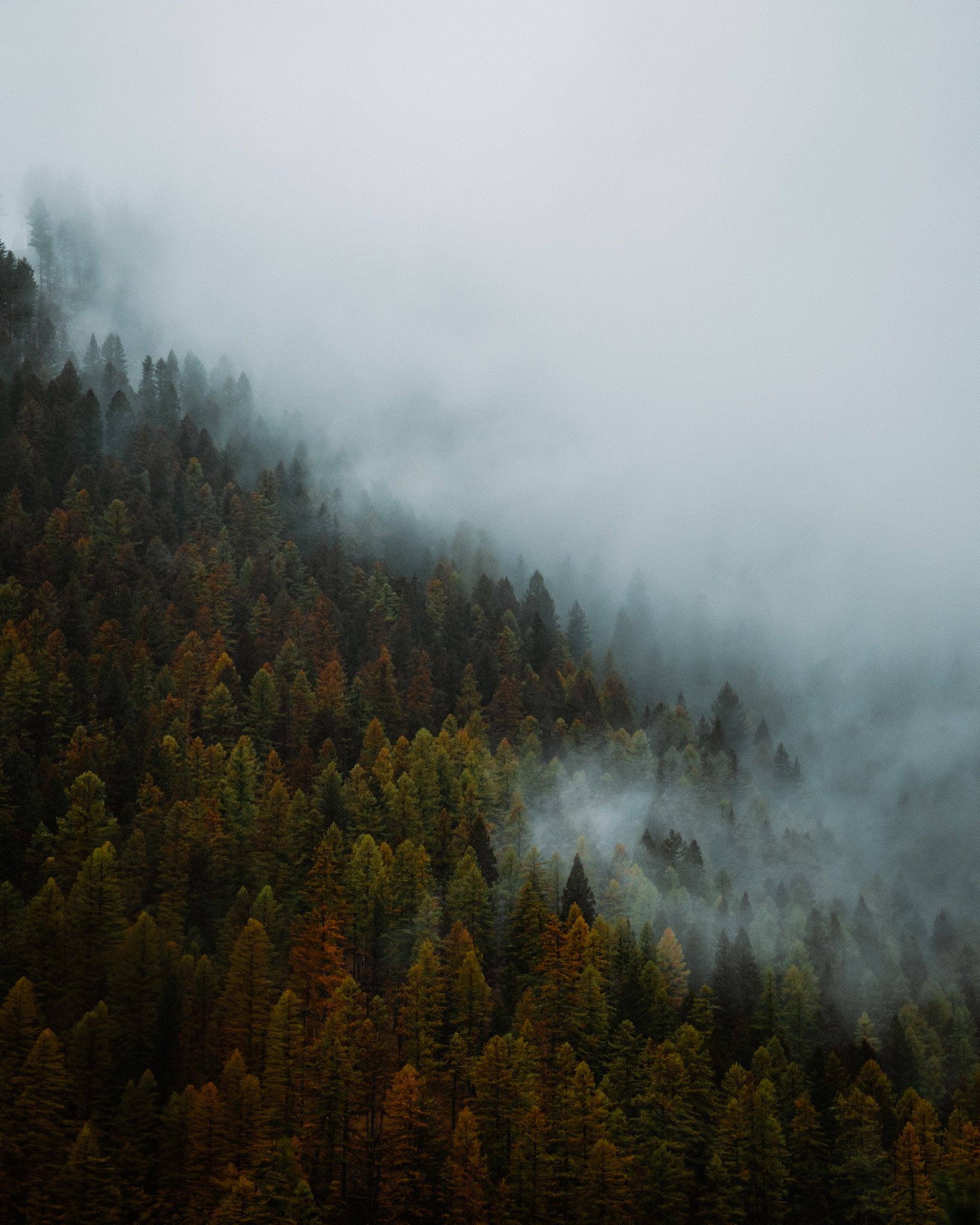
If your work is outdoor and natural, choose presets that protect greens, skies, texture, and believable warmth. If your work is clean and romantic, choose tools that preserve skin tones and bright polish. If your work is cinematic, choose presets and LUTs that create depth without crushing the life out of the image. If your work is travel-focused, choose flexible tools that create a visual thread across locations.
The right tool should make your work feel more consistent with itself.
Not more like someone else.
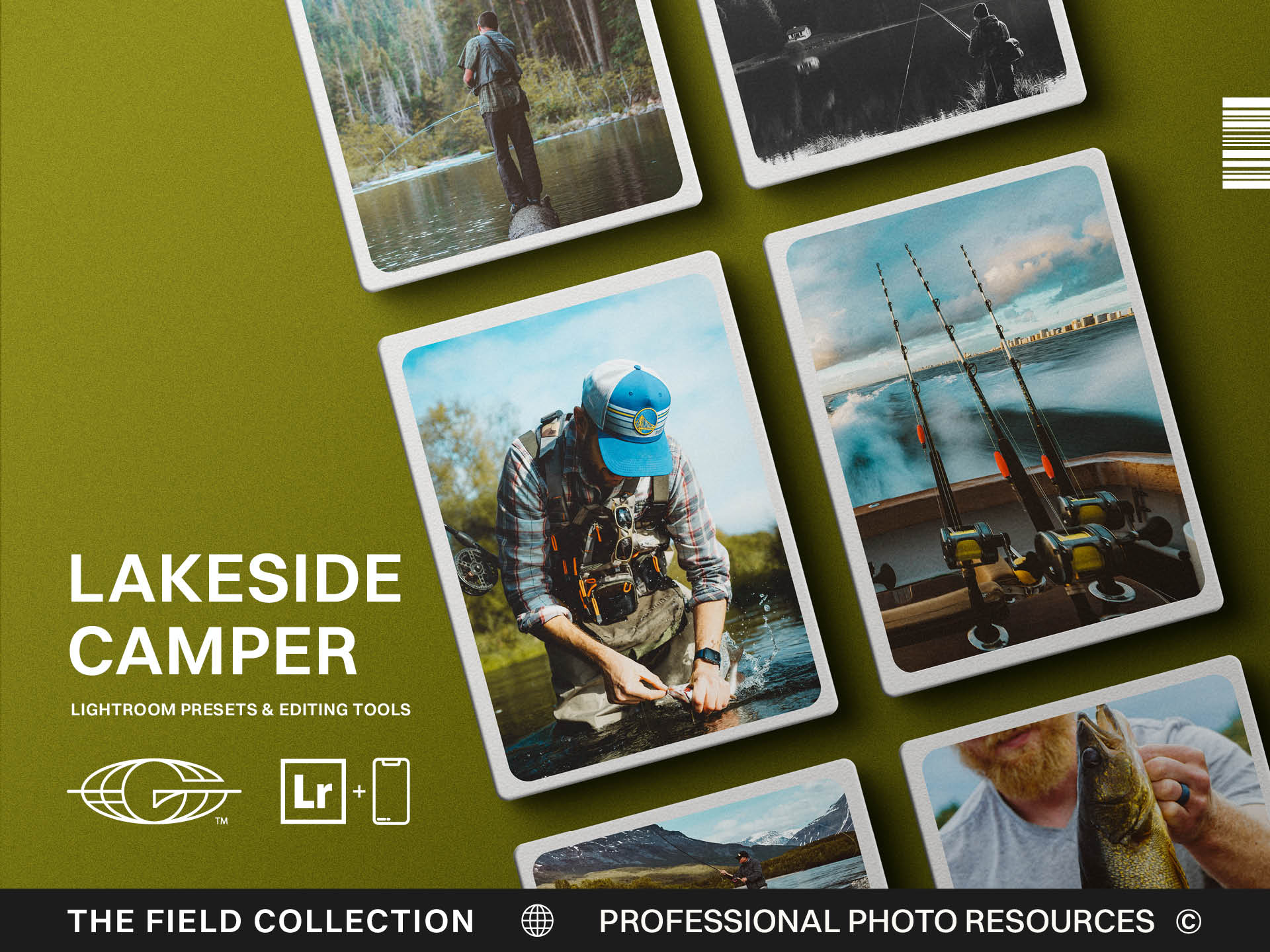
That is why I love offering different styles inside the Field Collection. I want creators to see what is possible, find the look that feels like it belongs to them, and then use it to build stronger visuals with more clarity.
Build a Repeatable Editing Workflow
Consistency comes from process as much as taste.
If every edit begins with a completely different sequence, your results will drift. One day you start with white balance. Another day you jump into color grading. Another day you apply a preset and start pushing shadows around because the coffee hit wrong.
Build a repeatable workflow.
Start with the foundation: exposure, white balance, and basic tone. Then apply your base look through a preset, profile, or LUT. Then refine for the actual image or footage. Adjust skin, greens, skies, shadows, highlights, grain, and local details. Finally, review the work as a set.
That last step matters.
A single image can look good and still not belong. A reel can feel strong and still not match the stills. A gallery can have beautiful individual frames while the whole collection feels visually scattered.
Review the body of work.
Consistency is built in groups, not only one image at a time.
Let Style Become Recognition
The reason to build stronger visuals is not simply to make prettier images.
Pretty is nice. Recognition is stronger.
A consistent editing style teaches people how to remember your work. It makes your portfolio feel intentional. It helps clients trust what they are hiring you for. It helps products, articles, videos, and visual storytelling feel like part of one larger world.
That does not mean every image should look identical. It means your work should carry a visual through line. A way of handling color, light, contrast, subject, and mood that feels like yours.
Before buying another preset, study your taste. Review your best work. Separate capture problems from editing problems. Choose tools that reinforce the direction. Build a repeatable workflow. Then keep refining through repetition.
Great editing does not begin in Lightroom.
It begins with learning to see.
The tools matter. They can help you move faster and build more consistent work. But the vision comes first.
Find the style that calls to you.
Then build the system that helps it show up again and again.
Give Your Style Time to Repeat
A visual style needs repetition before it becomes recognizable. One strong edit is a good sign, but consistency comes from returning to the same visual decisions across different subjects, locations, and light. Give the style time to prove itself. If it keeps working, refine it. If it only works on one lucky image, treat it as an experiment rather than an identity.
That repetition is also where confidence grows. You stop wondering who you are trying to sound like visually and start recognizing the decisions that belong to you. The colors become less random. The contrast becomes more intentional. The edit starts to feel less like an experiment and more like a signature.