

How to Choose a Sales and Pricing Resource When You’re Tired of Undercharging
There is a particular kind of quiet frustration that comes from sending an invoice you already resent.
The work is done. The client is happy. The files are delivered. The website is live. The gallery looks strong. The project, from the outside, appears successful.
But inside, you know the truth.
You charged too little.
Maybe the project took twice as long as expected. Maybe you added revisions you never priced. Maybe the client kept asking for “one small thing” until the small things formed a hostile little parade. Maybe you lowered the quote before they even responded because the thought of losing the job made your chest tighten.
Undercharging is not always a math problem.
Sometimes it is confidence. Sometimes it is packaging. Sometimes it is scope. Sometimes it is attracting the wrong clients. Sometimes it is a business model that makes every project feel financially urgent.
That is why choosing the right pricing resource matters. The answer is not always “charge more.” Sometimes it is, but sometimes that advice is too simple to be useful.
The better question is: where is the leak?
If You Lower the Price Before Anyone Asks, Start With Value
Many creators discount themselves before the client ever objects.
They soften the quote. They add extra deliverables. They say they are flexible. They overexplain every line item. They write the proposal like they are asking permission to be paid by a jury of people who may or may not understand what creative work costs.
I know that feeling. Pricing used to bring out the people-pleaser in me. I knew the work was good. I knew I brought value. But part of me still worried the number was indefensible. Scarcity makes you negotiate against yourself before the conversation even begins.
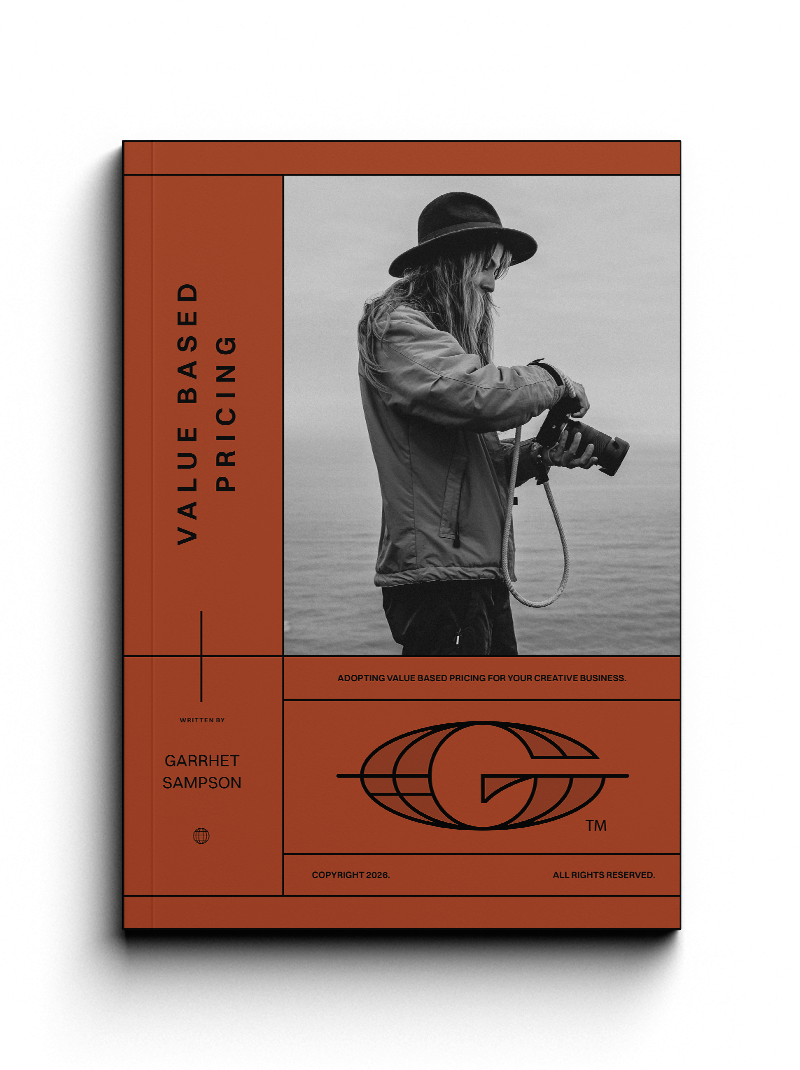
That is where Value Based Pricing belongs.
If you struggle to connect the price to the outcome, you need a resource that helps you understand what the client is really buying. They are not only buying hours, files, pages, images, or deliverables. They are buying trust, clarity, story, sales support, memory, momentum, or a better way to show up in the market.
Value-based pricing helps you stop shrinking the work down to the easiest thing to compare.
If a client only sees “photos,” they will compare you to another photographer by price. If they understand that the images support their website, launch, credibility, campaign, or brand story, the conversation changes.
The number should reflect the responsibility of the work, not just the visible object at the end.
If Projects Keep Expanding, Work on Scope
Sometimes undercharging does not happen at the proposal stage.
It happens slowly.
The project begins clearly enough. Then the client adds a request. Then another. Then a small adjustment. Then an extra meeting. Then a second version. Then a few more images. Then a “quick” thing that is absolutely not quick unless we have all collectively decided that time has no meaning.
This is scope creep.
And it is one of the fastest ways to turn a good project into a resentful one.
If that is your pattern, a resource like Landing Long Term Clients may help more than a pure pricing resource. You may need better communication, clearer expectations, stronger client relationships, and language for adding work without damaging trust.
Healthy scope is relational as much as operational. The goal is not to make clients feel punished for asking. The goal is to make the project safe enough that extra requests can be handled cleanly.
A simple sentence can change everything: “Absolutely, we can add that. Here is how it changes the timeline and investment.”
That is not aggressive. It is clarity.
If you regularly absorb extra work because you do not want to seem difficult, your pricing problem is also a boundary problem. You need a resource that helps you protect the relationship and the business at the same time.
If Every Month Feels Uncertain, Look Beyond the Price
There is another reason creators undercharge: financial pressure.
When every inquiry feels urgent, every proposal carries too much emotional weight. You are not only trying to win the project. You are trying to stabilize the month, calm your nervous system, and prove the business is still working.
That pressure makes it hard to price well.
If every slow week feels dangerous, the issue may be bigger than your rate. You may need to look at the income model. That is where Stable Income Always becomes the better starting point.
Stable income does not mean fake passive income or a magical business that prints money while you become spiritually enlightened in linen pants. It means stacking dependable income streams over time so one project does not have to carry the whole business.
For a creative entrepreneur, that might include client work, retainers, product sales, books, presets, courses, templates, workshops, licensing, affiliate income, or long-term partnerships. The goal is not to build all of it at once. The goal is to reduce the pressure sitting on each individual sale.
When the business model is healthier, pricing conversations get calmer. You can let the wrong client pass because the whole month is not dangling from one yes.
That kind of stability changes how you show up.
If Clients Don’t Understand the Offer, Fix the Packaging
Sometimes the price feels high to the client because the offer is unclear.
You might know the value, but if the client cannot see the outcome, they will compare the price to whatever surface-level deliverable is easiest to understand. A logo. A shoot. A website. A batch of edited files. A few hours of consulting.
Packaging helps people understand what they are investing in.
Strong packaging names the problem, explains the outcome, defines the deliverables, clarifies the process, and shows why the work matters. It turns a vague service into a clear decision.
If your sales conversations require too much explaining, you may not need to become more persuasive. You may need a clearer offer.
This connects pricing to brand strategy. A well-positioned offer makes the value easier to understand before the sales conversation begins. It gives the client language for the result. It helps them see the work as a solution, not a collection of tasks.
If clients keep saying, “Can you send more details?” or “What exactly is included?” or “How does this work?” pay attention. Those questions may not be objections. They may be signs that your offer needs a stronger container.
A clearer package can make the same price feel more grounded.
Choose the Resource That Matches the Leak
Undercharging is rarely solved by one motivational speech about knowing your worth.
That phrase can sound good, but it does not tell you what to do when the proposal is vague, the scope is weak, the client keeps adding work, or the business model makes every no feel dangerous.
Choose the resource based on the leak.
If you discount before anyone asks, start with Value Based Pricing. If projects expand beyond the agreement, focus on Landing Long Term Clients. If every month feels unstable, look at Stable Income Always. If clients do not understand what they are buying, work on packaging and positioning.
Pricing gets easier when the business around it gets clearer.
You still need courage. There is no way around that. Sending a stronger price may always carry a little tension because money is real, trust is real, and creative work is personal.
But you do not have to price from panic.
You can build a clearer offer, define the value, protect the scope, improve the relationship, and create a more stable income model underneath the work.
That is how pricing becomes less of an apology and more of a structure.
Your work costs something because it carries something.
Choose the resource that helps you protect both.
Use the Resource to Change the Conversation
The right sales and pricing resource should not only give you a better number. It should change the way you enter the conversation. A creator who understands value can speak differently. A creator with clear scope can respond to extra requests without panic. A creator with a healthier income model can stop treating every inquiry like the last lifeboat leaving the ship. That steadiness is part of what clients feel. Pricing confidence is not only internal. It shows up in the clarity of the offer, the boundaries of the project, and the calmness of the recommendation.