

Street Photography Starts With the Moment
Street photography is less about finding perfect conditions and more about noticing when the world briefly arranges itself into something worth keeping.
A glance through a bus window. A skateboarder cutting through the frame. Two people laughing under bad fluorescent light. A man in a coat disappearing between buildings. A reflection that only works for three seconds before the traffic light changes. The city offers a thousand ordinary things, and then suddenly one of them has weight.
That is what you are editing for. Not just contrast. Not just grit. Not just a preset that makes the blacks heavy and the highlights sharp. You are trying to bring the viewer back to the moment that moved past the concrete, windows, and skyline and somehow got into the skin and bones of the frame.
Let Contrast Create Structure
Street images often need more contrast than softer portrait or lifestyle work because the environment is busy. Buildings, signs, cars, people, reflections, and harsh light can all fight for attention. Contrast helps organize that chaos.
The goal is not to crush the image until every shadow becomes a black hole. The goal is to create separation. The subject needs to stand apart from the scene. The light needs to guide the eye. The geometry of the street should become clearer, not more confusing.
Start by looking for the natural tonal structure already in the file. Where is the light falling? What is the darkest useful part of the image? What should recede? What should come forward? A good street edit does not invent drama out of nothing. It notices the drama that was already there and gives it sharper edges.
Use Shadow Without Losing the Subject
Street photography loves shadow, and for good reason. Shadow creates tension. It hides parts of the story. It gives the frame mystery and shape. But shadow can also become lazy if it is used as a blanket instead of a tool.
If the subject disappears, the mood is no longer helping. It is just in the way. Strong street editing often comes from letting shadows hold the environment while preserving enough detail, highlight, or silhouette for the subject to remain readable. The viewer should feel drawn into the image, not forced to solve it like a badly lit puzzle.
This is especially true with human moments. A face, gesture, hand, posture, or bit of motion may be the emotional center of the photo. You can let the city feel heavy around it, but do not bury the thing that made you press the shutter.
Keep Color Honest to the Place
Urban color is its own language. Concrete, brick, neon, traffic lights, window reflections, old paint, metal, rain, and street signs all carry different temperatures and moods. The edit should decide what kind of city the image belongs to.
Some street photos want rich color. Some want muted tones. Some work better in black and white. Some need the warmth of a late afternoon wall or the blue-green cast of a subway platform. There is no single correct street style, but there should be a reason for the direction.
If you push color too hard, the image can start to feel like a poster. If you desaturate everything, you may remove the exact detail that made the place feel alive. Let the colors serve the atmosphere. A red coat in a gray street might need to stay red. A neon sign might need intensity. A corporate lobby probably does not need to look like the entrance to a cyberpunk nightclub unless the client is making very bold real estate choices.
Edit Around the Eye’s Path
A strong street photo needs a path through the frame. The viewer enters somewhere, moves through the image, and lands on the thing that matters. Editing can strengthen that path by controlling brightness, contrast, color, and local detail.
Look at where the eye goes first. Is it the subject? A bright sign? A blown-out sky? A random reflection? A parking meter that somehow has more presence than the person you photographed? The edit should reduce distractions without making the image feel overly cleaned up.
Local adjustments are useful here. Darken an edge. Lift the subject slightly. Add contrast to a shape. Reduce saturation in a competing color. Street photography often benefits from small decisions that make the frame feel more intentional while still preserving the roughness of the real world.
Do Not Polish Away the Street
There is a difference between refining a street image and making it too clean. Street photography often works because it carries friction. The sidewalk is messy. The light is imperfect. People are moving. The background has noise. The frame may have tension because the scene was not built for you; you caught it as it passed.
If you remove every imperfection, the image can lose its nerve. That does not mean you should leave distractions everywhere or pretend sloppy editing is authenticity. It means the final photo should still feel alive. Street work should not always look like a campaign deck. Sometimes the grit is part of the truth.
The trick is knowing which imperfections belong and which ones are just weakening the image. A crooked line may add energy. A blown highlight may ruin the frame. A little motion blur may show life. Too much may show that you missed. Taste lives in that difference.
Build Atmosphere From the Frame You Have
The best street edits do not force atmosphere onto the image. They draw it out. They take the timing, shadow, architecture, human presence, and texture already in the frame and make those pieces easier to feel.
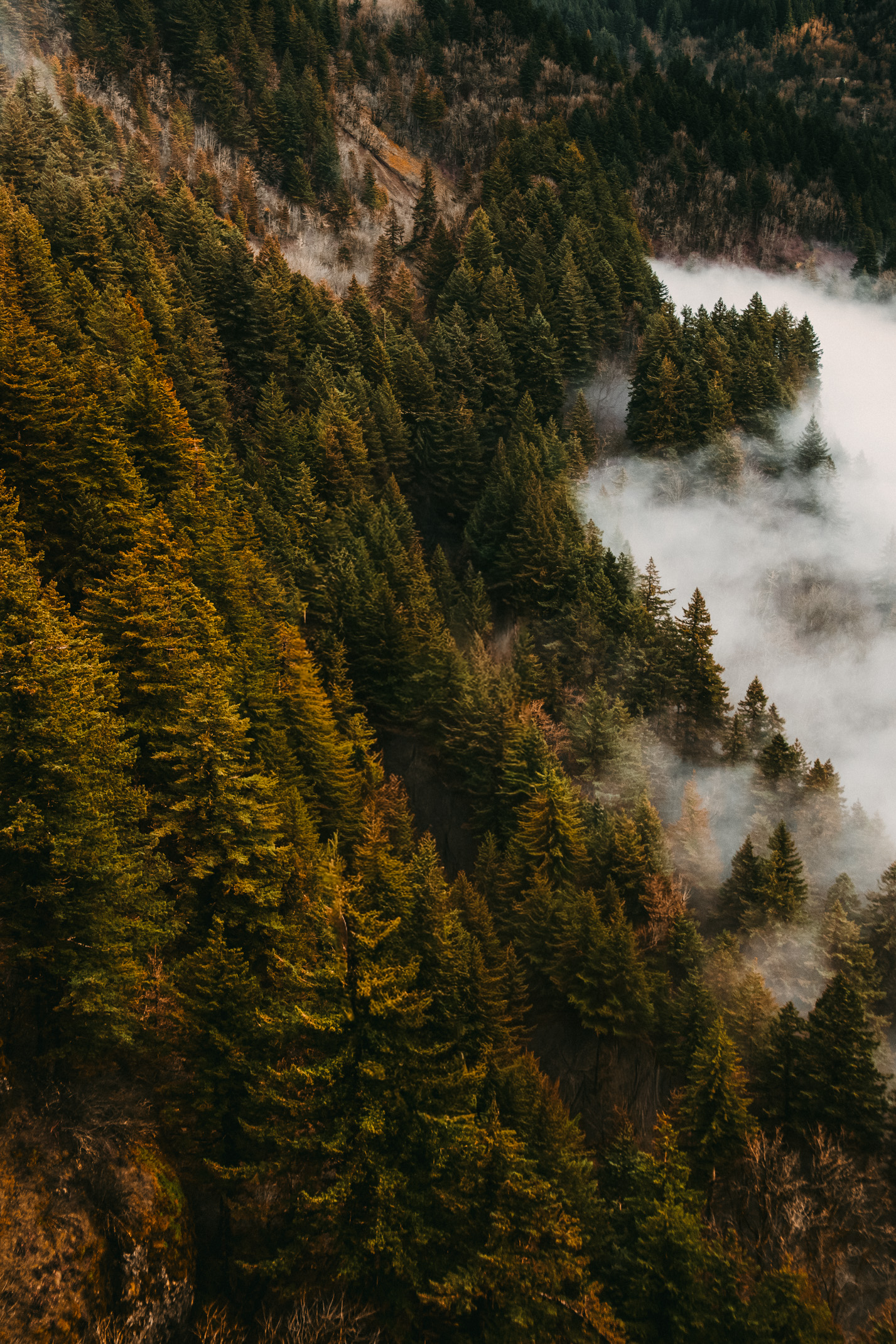
That is why composition still matters. The edit cannot create the moment. It can only honor it. Whether you are photographing downtown streets or the wilds of Montana, the camera still asks the same question: did you see clearly when the moment arrived?
When you did, editing becomes a way of finishing the sentence. Stronger contrast, controlled color, shaped light, and a little restraint can turn a good street frame into something memorable. Not because it looks gritty, but because it feels like the city briefly let you in on a secret.
Decide What the City Is Supposed to Feel Like
Before pushing contrast or color, decide what kind of street you are editing. Is the image about speed, loneliness, humor, tension, elegance, grit, or the strange quiet that can exist in the middle of a crowded city? Street photography can hold many moods, but the edit should choose one clearly enough for the viewer to feel it.
A rainy alley may want deeper shadows and reflective highlights. A bright market scene may need color and movement. A city portrait may need enough polish to protect the person while still letting the environment feel alive. A black-and-white frame may depend almost entirely on shape and timing. The moment gives you the direction, but the edit has to commit to it.
This is one of the reasons street photography is such good training. You do not get to control everything. You have to notice, respond, and then edit in a way that makes the choice feel intentional.
Use Presets Without Losing the Moment
Urban and street presets can help create atmosphere quickly, but the moment still has to lead. If the preset makes the image look cool while weakening the actual subject, it is not the right fit yet. Adjust it. Pull the shadows back. Lift the face. Calm a distracting color. Let the preset support the frame rather than take ownership of it.
The strongest street edits feel discovered, not imposed. The viewer should not feel like the city was forced into a style. They should feel like the style helped them notice the city more clearly. That difference is subtle, but it is the difference between an image with atmosphere and an image wearing someone else’s jacket.
One Final Street Edit Check
Before exporting a street image, give it one final practical check. Does the viewer know where to look? Does the edit strengthen the moment or just make the frame heavier? Did the color help the atmosphere, or did it pull attention away from the scene? Street photography has enough natural chaos. The edit should decide what matters without scrubbing away the life that made the image worth taking.
This final check is especially helpful when using presets. A preset may make the city feel strong, but it does not know why you stopped. You know that. Bring the contrast, color, and shadow back into service of the moment. The best street edits still feel like they happened quickly, even when the finishing work was careful.