.jpg)

Best Lightroom Presets for Outdoor Photographers Who Want Natural Color
Outdoor photography does not need as much help as the internet sometimes thinks it does.
That may be a controversial thing to say on a site that sells editing tools, but there it is. A mountain does not need you to turn every shadow teal for it to feel impressive. A forest does not need to be desaturated until it looks emotionally unavailable. A sunset does not need so much orange that the horizon appears to be auditioning for a disaster movie.
Nature already knows what it is doing.
Your job as the photographer is not to overpower it. Your job is to preserve the feeling of being there and shape the image with enough taste that the viewer can enter the scene without noticing the editing before the photograph.
Living in Montana taught me this over and over. The mountains, prairies, rivers, dry summer grass, brutal winter shadows, and spring mornings do not need to be forced into one trendy color palette. They need to be understood. The best outdoor Lightroom presets respect that.
They protect the natural look of the image while giving it consistency, depth, and polish.
Protect the Greens
Outdoor presets live or die by what they do to greens.
That sounds dramatic, but if you have ever edited a forest, grassy field, mountain trail, wedding lawn, or summer landscape, you know the truth. Greens can go wrong quickly. They can become neon, yellow, muddy, gray, or so desaturated that the image looks like the plants are tired of being alive.
A good outdoor preset should keep greens believable.
Not necessarily untouched. Some greens need to be softened, deepened, shifted, or restrained depending on the style. But they should still feel connected to the place. A pine forest should not look like a lime popsicle. A Montana hillside should not lose all its warmth because someone decided muted greens were the only path to artistic seriousness.
Natural color does not mean boring color.
It means the edit supports the environment instead of replacing it.
When choosing outdoor presets, look for examples that show a range of landscapes. Forests, open fields, mountains, summer light, overcast weather, and mixed greens all matter. A preset that only looks good on one perfectly lit example may collapse when applied to real outdoor work.
Greens need flexibility, not a one-size-fits-all mood swing.
Keep Skies Honest
The sky carries a lot of emotional weight in outdoor photography.
A deep blue sky can make an image feel open and clean. A cloudy sky can add softness, drama, or scale. Sunset color can create warmth and memory. Storm clouds can give a landscape the kind of cinematic tension people try to manufacture later with sliders and questionable confidence.
Outdoor presets should protect that.
The mistake is pushing skies until they become the loudest part of every image. Too much blue saturation, too much clarity, too much dehaze, and suddenly the sky stops feeling like weather and starts feeling like a poster.
You want the sky to feel strong without becoming fake.
A good preset should give you a clean base that holds highlight detail, preserves cloud shape, and keeps blue tones from drifting into electric territory. It should allow the sky to support the photograph, not hijack it.
This matters because outdoor images are often about scale. The relationship between land and sky helps the viewer feel where they are. If the sky is overprocessed, the whole scene starts to feel untrustworthy.
Let the sky breathe.
It has been doing this longer than we have.
Build Depth Without Overdrama
Outdoor photography needs depth.
Mountains should feel layered. Trees should have texture. Rivers should cut through the frame with movement. Foregrounds should invite the viewer in. Backgrounds should not collapse into a flat wall of color.
Presets can help by shaping contrast, tone curves, shadows, and midtones. But outdoor depth should not come from crushing every dark area until the image looks dramatic by force. Heavy-handed contrast can make a photo feel impressive for three seconds and exhausting after ten.
The goal is structure.
You want enough contrast that the image has a spine. Enough shadow that the landscape feels grounded. Enough highlight control that bright skies, snow, water, or dry grass do not blow apart. Enough midtone separation that the viewer can feel distance.
Outdoor presets like North To Alaska or Pacific Northwest-style looks should create this kind of depth while still respecting the environment. They should help the image feel finished, not theatrical.
A good outdoor edit should make the viewer feel like they could step into the scene.
Not like they are being sold a fantasy version of the place.
Preserve Texture and Weather
Outdoor images have texture everywhere.
Rock, bark, grass, snow, clouds, dirt roads, canvas tents, jackets, water, skin, dust on a truck, the slight roughness of real places that have not been staged to death. Texture gives outdoor photography its physical memory.
Presets should protect that texture without turning every image into sandpaper.
This is a fine line. Clarity, texture, and sharpening can bring a landscape to life, especially in mountains and forests. But push them too far and the image starts to feel brittle. Every branch becomes aggressive. Every rock wants attention. Every cloud seems to have entered a legal dispute.
The best outdoor presets create a strong base while leaving room for local adjustments. You might want more texture in a mountain ridge, less on skin, more in a foreground path, less in a bright sky.
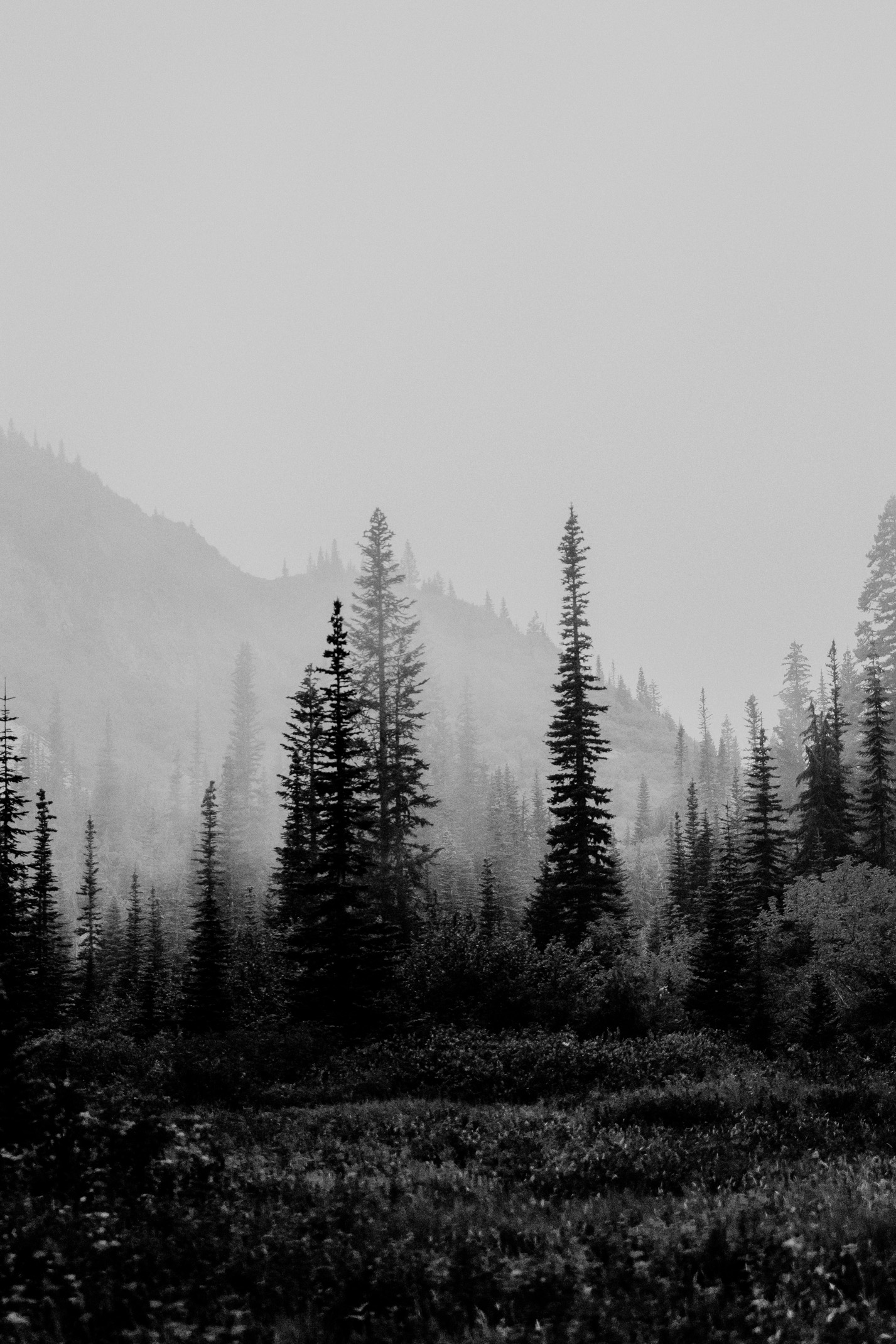
Weather also matters. Fog, rain, snow, dust, haze, and smoke are not always problems to remove. Sometimes they are the feeling of the image.
Natural color presets should help preserve atmosphere, not scrub every bit of mood out of the file in the name of clarity.
Choose Flexibility Across Seasons
Outdoor photographers rarely get one kind of light.
Winter snow brings cooler shadows and brighter whites. Spring can bring jewel tones, foggy mornings, wet greens, and a softness that feels almost too delicate to edit aggressively. Summer in Montana can get dry and golden, with sunsets that look like Michael Bay personally consulted with the horizon. Fall brings deeper reds, oranges, brown grasses, and more warmth in the landscape.
A good outdoor preset pack needs enough flexibility to work across those changes.
It should not force every season to look identical. Winter should still feel like winter. Fall should not be bullied into looking like June. Summer warmth should not turn every photo into a pumpkin spice emergency.
The goal is a consistent style that adapts to the season.
That consistency helps outdoor photographers build a recognizable body of work. Your images can move through snow, forest, desert, mountain roads, and summer fields while still feeling like they came from the same eye.
That is what strong presets can support.
Choose Presets That Remember the Experience
Outdoor photography is about more than accurate color.
It is about memory.
The cold air before sunrise. The dust on the trail. The way a mountain shadow drops quickly in the evening. The quiet after the camera clicks. The feeling of standing somewhere wide enough to remind you that your inbox is not, in fact, the center of the universe.
The best outdoor presets help preserve that feeling.
They do not flatten nature into a trend. They do not make every place look interchangeable. They do not turn real landscapes into overprocessed content backdrops. They help photographers create stronger visuals while keeping the image connected to what made the moment worth capturing.
When choosing presets, look for natural greens, honest skies, controlled warmth, depth, texture, and enough flexibility to work in real conditions. Look for tools that support your eye instead of replacing it.
Outdoor photography already begins with beauty.
Choose presets that know how to respect it.
Look for a Starting Point That Can Breathe
The best outdoor presets leave room for the image to breathe. They should not make every mountain, forest, and river obey the exact same color mood. A strong preset gives you direction, but the final edit should still respond to the scene. Sometimes the sky needs more protection. Sometimes the foreground needs warmth. Sometimes the greens need to calm down and behave like they have been invited into polite society. Flexibility is what makes a preset useful in real outdoor work.