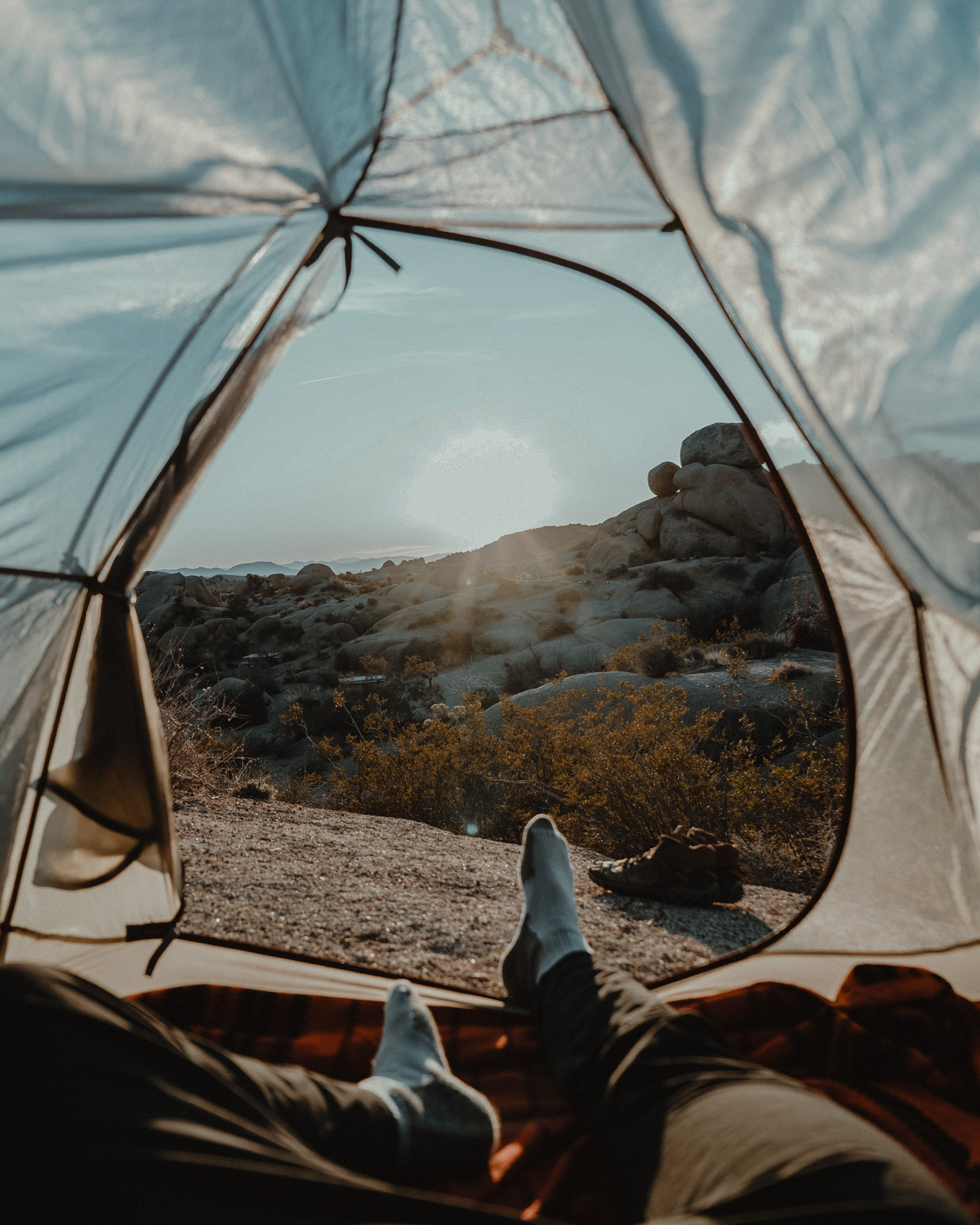


The city asks for a different kind of attention
Shooting street photography is different from shooting in the wilds of Montana, but one rule guides both: composition matters.
The location changes. The pace changes. The noise changes. In the mountains, you may be waiting for light to move across a ridge, a cloud to break, or a subject to stand against the scale of the land. In the city, everything happens at once. Cars cut through the frame. People step into the light and disappear. Reflections flash in windows. Signs, shadows, crosswalks, steam, brick, glass, and movement all compete for space.
But in both places, what makes or breaks the shot is your mastery of the camera and your eye for the exact moment.
Editing can strengthen that moment, but it cannot create it from nothing.
Urban and street photography often benefits from more mood and contrast because the environment already carries texture. Concrete, metal, night lights, weather, storefronts, alleys, train stations, and old buildings give the image a different kind of visual weight than an open landscape or clean portrait session.
The edit should bring that weight forward without turning the scene into a caricature.
Let the frame tell you how far to go
Street images can handle stronger contrast than many other types of photography.
Deep shadows can create mystery. Bright highlights can pull the eye. Hard light can cut through the frame and give the image structure. Reflections can add layers. Grain can feel natural. Color shifts can create atmosphere.
But the edit still needs to serve the frame.
A strong urban preset may give you a base look with deeper blacks, richer contrast, and a moodier palette, but not every street image needs the same intensity. A quiet morning scene outside a coffee shop does not need to be edited like a rain-soaked alley in a detective film. A bright architectural image may need clean lines and controlled color more than grit. A night street portrait may need careful skin tones even if the surrounding scene is dark.
Let the photograph tell you what it can carry.
Mood should feel earned.
Contrast creates direction
Street scenes are often busy. Contrast helps organize them.
When the frame contains signs, people, vehicles, windows, shadows, lights, and layered backgrounds, the viewer needs help knowing where to look. Contrast can guide the eye toward the subject, separate shapes, and create a sense of depth.
This does not always mean adding global contrast aggressively. Sometimes global contrast makes everything louder. The subject gets stronger, but so does every distraction.
Instead, think about contrast locally.
Where does the image need separation? Where should the eye land first? Which shadows can deepen? Which highlights should stay bright? Which areas can remain quiet? Can the background be shaped without making it look unnatural?
Street editing often works best when the photographer thinks like a storyteller, not just a slider operator.
The edit should help the moment become clearer.
Color can make the city feel alive
Urban color is complicated in the best way.
Neon signs, traffic lights, brick walls, painted storefronts, reflective glass, yellow street lamps, gray sidewalks, blue shadows, and passing clothing can all show up in a single frame. The temptation is either to desaturate everything into gritty seriousness or push every color until the image feels like a nightclub flyer.
Neither is automatically wrong, but both can become lazy if used without intention.
Color should support the feeling of the place.
A rainy evening image may benefit from cooler shadows and warm light sources. A bright daytime street scene may need controlled saturation so signage does not overpower the subject. A subway image may carry fluorescent greens and yellows that need correction. A city portrait may need the background to feel alive without damaging skin tones.
Urban presets can help establish a mood, but the city has too much variation for one-click certainty.
Your eye has to keep negotiating.
Black and white is not a shortcut
Street photography and black-and-white editing have a long relationship.
Removing color can strengthen shape, light, gesture, and timing. It can make a busy scene feel more direct. It can turn attention toward expression, movement, and composition. It can also hide weak color when the palette is not helping the image.
But black and white is not a shortcut for drama.
A weak color image does not automatically become strong when color disappears. The composition still matters. The light still matters. Tonal separation matters even more. If everything becomes the same shade of gray, the image will feel flat no matter how serious it looks.
When converting street images to black and white, pay attention to how different colors translate into tones. Adjust luminance by channel if needed. Protect highlights. Give the blacks depth without crushing important detail. Let grain support the mood if it fits, but do not use it to decorate a frame that does not have a subject.
Black and white should clarify the photograph.
Protect the exact moment
Street photography often depends on timing.
A person steps into a shaft of light. A hand moves. A bus passes at the right edge of the frame. Two strangers briefly mirror each other. Someone looks directly into the lens and then the moment is gone. Those small decisions make the image.
Editing should protect that moment.
If the edit becomes too heavy, the viewer may notice the treatment before they notice the timing. If the contrast is too harsh, the gesture may disappear into shadow. If the color grade is too stylized, the realness of the scene may feel staged.
The best street edits often have confidence and restraint together.
They make the frame stronger without pulling attention away from the human detail that made the image worth taking.
Use mood without forcing cynicism
Moody urban editing can become one-note if every city scene is treated like evidence that joy has been outlawed.
The city is not only grit. It is also humor, tenderness, rush, boredom, style, loneliness, beauty, routine, and surprise. A good edit should leave room for those contradictions.
Deep shadows can support mystery. Warm lights can create intimacy. Cool tones can create distance. Strong contrast can create tension. But mood should match the image, not your assumption about what street photography is supposed to look like.
A quiet image can stay quiet. A funny image can stay funny. A clean architectural frame can stay clean. A chaotic market scene can stay alive. A night image can be dark without becoming melodramatic.
Editing should deepen the photograph's existing character.
Build consistency across urban work
If you shoot street or urban photography regularly, consistency matters.
Your work may include day and night, color and black and white, portraits and wide scenes, architecture and documentary moments. A consistent editing style does not require all of those images to look identical. It requires a recognizable approach.
Maybe your through line is strong contrast and restrained color. Maybe it is warm light against cool shadows. Maybe it is natural grain, deeper blacks, and clean skin tones. Maybe it is a documentary feel with minimal manipulation.
Whatever it is, review your images together.
Look at the body of work. Does it feel like the same eye is making decisions? Are some images overprocessed compared with the rest? Are colors drifting too far? Are shadows supporting the subject or swallowing it?
Street photography rewards attention in the field and honesty in the edit.
You have to see the moment, frame it well, and then finish it in a way that lets the city keep its texture.
More mood and contrast can help.
But the real strength still begins with the eye behind the camera.









.jpg)