

Content can teach an idea, but a product can help someone use it.
That is one of the reasons I keep moving toward tools, books, courses, editing systems, AI workflows, and software concepts instead of only publishing advice. Advice has value. Essays have value. Content can give language, perspective, encouragement, and a clearer way to think about the work.
But creators often need more than another thought to agree with.
They need something they can open, apply, adjust, return to, and build with.
Creators Often Invest in Gear Before Growth
When someone wants to start a photography business, it is easy to spend thousands of dollars on cameras, lenses, bags, lights, drones, and accessories.
Some of that gear matters. Tools matter. Good equipment can expand what you are able to make.
But gear is rarely the thing that separates a serious creator over time.
The deeper growth usually happens elsewhere. Taste. Editing. Communication. Business strategy. Positioning. Pricing. Client experience. Systems. Discipline. The ability to explain value. The ability to finish. The ability to build a body of work that feels recognizable and trustworthy.
For me, that personal growth is what started setting the work apart.
The camera was necessary, but it was not enough.
Content Alone Can Leave People Inspired but Stuck
A helpful article can name the problem. A video can show a technique. A podcast can make a creator feel less alone. A post can create momentum for a day.
But after the inspiration fades, the creator still has to do the work.
They still have to clarify the offer, edit the gallery, write the sales page, price the project, build the workflow, create the content system, organize the files, or choose the next product to finish.
That is where products can serve in a different way.
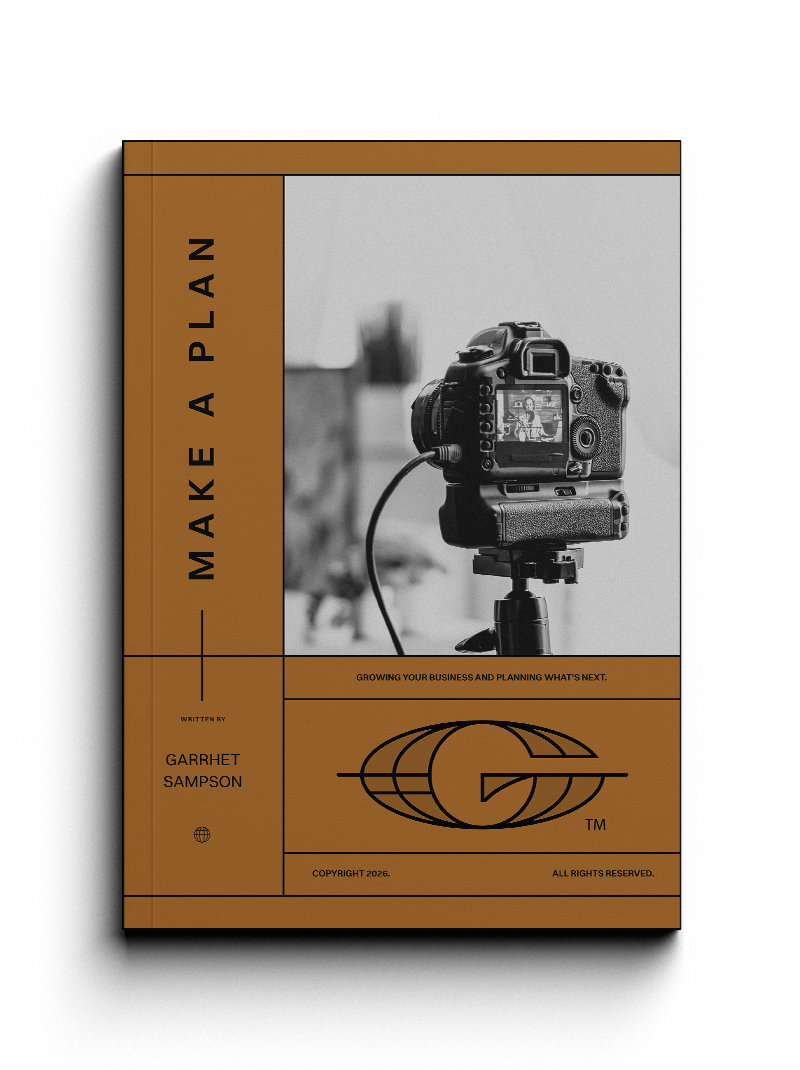
A book gives structure. A course gives a path. A preset gives a visual starting point. A LUT helps footage move toward a consistent grade. An AI tool can turn a framework into prompts, plans, and practical outputs. Software can reduce friction inside the workflow itself.
Products help ideas become usable.
I Want to Build a Creator Support System
The larger vision is not a blog with products attached to the side.
It is a creator support system.
Visual tools, practical education, AI workflows, and software built around the real pressure creators carry: refining the craft, building clearer systems, creating stronger visuals, explaining the work, selling with more confidence, and building a business that can support a real life.
That kind of ecosystem matters because creative problems are connected.
A photographer may need better editing tools and better pricing language. A designer may need brand strategy and a stronger content system. A creative entrepreneur may need time management, AI workflows, books, and a website that does a better job explaining the work. The needs do not always fit cleanly into one product category.
The ecosystem should help people find the next useful piece.
Products Create Leverage Without Replacing Care
There is a kind of leverage that can become cold. Build once, automate everything, disappear from the people you serve, and let the machine run.
That is not the kind of product building that interests me.
The goal is not to remove care from the process. The goal is to create resources that carry care farther than one conversation can.
A well-built product can help someone at midnight when they are staring at a messy offer. It can help a photographer create a better starting point for an edit. It can help a creator turn a book concept into a workflow. It can help someone make progress before they ever hire a consultant, join a program, or ask for direct help.
That kind of leverage is not less human. It is a way of serving more people with clearer tools.
The Product Has to Respect the Creator
I do not want to build products that treat creators like helpless beginners who need to be rescued.
Most creators are capable. They have taste, skill, drive, and lived experience. What they often need is better structure around the work. Clearer prompts. Better workflows. Practical education. Tools that help them move faster without flattening their voice. Resources that make the business side less chaotic so the creative side has more room.
A good product respects the intelligence of the person using it.
It does not promise a shortcut around the craft. It gives the craft better support.
Building Products Forces Better Thinking
Product building also changes the creator building the product.
A piece of content can be useful and still remain loose. A product has to hold up under use. It has to be named, packaged, organized, explained, delivered, and supported. It has to answer questions before the user asks them. It has to work beyond the ideal scenario.
That pressure makes the thinking sharper.
If I say a book helps creators clarify their offer, the product has to give them a real path. If I say a preset helps photographers build visual consistency, the tool has to work across real images. If I say an AI workflow helps turn learning into action, it has to produce something useful, not just a clever output.
The product becomes a test of whether the idea is actually practical.
Content Opens the Door, Products Help Build the House
I still believe in content. Articles, essays, field notes, and behind-the-scenes updates matter. They help people find the work. They build trust. They give language to problems. They let the brand breathe.
But I do not want to stop there.
I want the content to lead somewhere useful. A guide. A tool. A course. An editing system. A prompt workflow. A resource that helps the creator do the next piece of work with more clarity.
That is why I am building products for creators, not just content.
Because meaningful creative work needs more than attention.
Tools Can Carry a Point of View
A product is not neutral just because it is practical.
The way a tool is built carries a point of view. A preset pack says something about color, restraint, and visual consistency. A book says something about what problems are worth solving. An AI workflow says something about how creators should use technology without handing over their judgment. A course says something about the order in which a problem should be understood and applied.
That is why product building matters to me.
Products can embody the values of the brand. They can teach through use. They can make the philosophy practical. When they are built carefully, they do not only explain a better way to work. They help the creator experience it.
It needs tools, systems, education, and support strong enough to help the work keep moving.







.jpg)